


Description
Buy Fentanyl Online | Buy Fentanyl Powder Online
Looking to buy fentanyl online? You’ve come to the right place. CJNG CARTEL is your number one trusted supplier of premium, pure-grade 98% fentanyl (fentanyl citrate, C₂₂H₂₈N₂O) for research purposes. Whether you want to Buy Fentanyl Powder Online | Buy Fentanyl Tablets Online | Buy Furanyl Fentanyl Powder Online | Buy Fentanyl Patch Online | buy Fentanyl Nasal Spray Online | Buy Acetyl fentanyl powder Online | Buy Abstral Sublingual Tablets Online | Buy Fentanyl Citrate Online | Buy Actiq Fentanyl Lollipop Online | Buy carfentanil online, our platform makes buying fentanyl online simple, secure, and completely discreet to everyone looking to buy fentanyl online with us.

Buy Fentanyl Online
What Is Fentanyl?
Fentanyl is a powerful synthetic opioid medication that is used medically to relieve severe pain and, in controlled healthcare settings, as part of anesthesia and certain sedation procedures. Unlike morphine, which is a naturally occurring opiate originally derived from the opium poppy, fentanyl is manufactured synthetically through chemical processes.
Fentanyl belongs to the opioid family of drugs. Other medicines in this broad category include morphine, oxycodone, hydromorphone, hydrocodone, and methadone. Although these substances share some effects because they act on opioid receptors, they are not identical. Fentanyl has a distinct chemical structure and is substantially more potent than morphine by weight.
According to the U.S. Drug Enforcement Administration, pharmaceutical fentanyl is approximately 100 times more potent than morphine as an analgesic. This high potency is one reason fentanyl can be extremely useful in carefully controlled medical environments while also presenting serious risks when it is misused or encountered in an unknown illicit product.
It is important to distinguish pharmaceutical fentanyl from illicitly manufactured fentanyl.
Pharmaceutical fentanyl is produced by regulated manufacturers and supplied in known formulations for legitimate medical purposes. Depending on the product, it may be administered in a hospital, operating room, or other healthcare setting, or prescribed in specific circumstances.
Illicitly manufactured fentanyl, on the other hand, is produced outside regulated pharmaceutical systems. It may be sold as a powder or incorporated into counterfeit tablets and other illicit drugs. Because these products are not subject to pharmaceutical quality controls, their actual contents and potency may be unpredictable.
This distinction is essential when discussing fentanyl because the word can refer to a legitimate prescription medicine as well as a major contributor to the modern illicit opioid overdose crisis.
What Is Fentanyl Used For?
Fentanyl has legitimate and important medical uses.
Its primary medical role is pain management, particularly in situations where a very powerful opioid analgesic is clinically appropriate. Fentanyl is also widely used in anesthesia and may be incorporated into carefully controlled sedation plans.
The exact use depends on the particular formulation, the patient’s medical condition, and the healthcare setting.
Fentanyl for Severe Pain
Fentanyl can be used to treat severe pain when a healthcare professional determines that an opioid of this potency is appropriate.
It may be encountered in hospital-based pain management, surgical care, specialized pain treatment, and certain situations involving severe chronic pain.
Fentanyl should not be thought of as an ordinary painkiller for mild headaches, routine muscle aches, or minor injuries. Its potency and respiratory effects make it a medication that requires careful clinical judgment.
Fentanyl During Surgery
Fentanyl has a long history in modern anesthesia.
During surgery, it may be administered by anesthesia professionals as part of a broader anesthetic plan. Its ability to provide powerful analgesia can help control pain responses associated with surgical procedures.
In an operating room, the patient can be continuously monitored for:
- Breathing
- Oxygen levels
- Blood pressure
- Heart rate
- Consciousness
- Airway function
This controlled environment is very different from unsupervised fentanyl use.
Fentanyl for Sedation
Fentanyl can also be used as an analgesic component of certain procedural sedation techniques.
For example, healthcare professionals may use an opioid alongside another sedating medication when a procedure requires both pain control and reduced awareness.
Because fentanyl can depress breathing, combinations with other sedatives require appropriate monitoring and trained medical personnel.
Fentanyl for Cancer Pain
Certain fentanyl formulations may be used for selected patients experiencing severe cancer-related pain.
Transdermal fentanyl has historically been used in patients who already have opioid tolerance and require continuous opioid analgesia.
It is not appropriate for every person with cancer or every type of cancer pain. The decision depends on the patient’s previous opioid exposure, pain pattern, overall medical condition, and the formulation being considered.
Fentanyl in Emergency and Hospital Medicine
Fentanyl may be used in hospitals and emergency settings when rapid and powerful analgesia is needed.
The route of administration and monitoring requirements vary according to the medical situation.
In hospital medicine, clinicians can adjust treatment according to the patient’s response and monitor for adverse effects such as excessive sedation or respiratory depression.
How Does Fentanyl Work?
Fentanyl works primarily by activating mu-opioid receptors, which are found throughout the central nervous system and other parts of the body.
These receptors play an important role in how the body processes pain, reward, emotion, and breathing.
When fentanyl activates these receptors, it changes the way pain signals are transmitted and interpreted by the nervous system.
The result is powerful analgesia, or pain relief.
However, opioid receptors are involved in much more than pain perception. Their activation can also produce:
- Relaxation
- Sedation
- Drowsiness
- Euphoria
- Reduced alertness
- Slower gastrointestinal activity
- Reduced respiratory drive
The last effect is particularly important.
Fentanyl and Breathing
The brain contains areas responsible for controlling automatic breathing. Opioids can reduce the body’s response to carbon dioxide, which normally stimulates a person to breathe.
At excessive opioid exposure, breathing can become:
- Slower
- Shallower
- Irregular
- Interrupted by prolonged pauses
- Completely absent in severe poisoning
This is known as opioid-induced respiratory depression.
Severe respiratory depression is the primary mechanism through which opioid poisoning can become fatal.
Why Fentanyl Is So Potent
Fentanyl’s chemical and pharmacological characteristics allow it to produce substantial opioid effects at very small amounts compared with less potent opioids.
That potency can be beneficial in medicine because clinicians can use relatively small quantities to achieve powerful analgesia.
At the same time, potency means that errors, misuse, or exposure to an unknown amount can have serious consequences.
This is one reason fentanyl should never be treated like an ordinary over-the-counter pain medicine.
Where Does Fentanyl Come From?
The answer depends on whether the question concerns medical fentanyl or illicit fentanyl.
Where Pharmaceutical Fentanyl Comes From
Pharmaceutical fentanyl is manufactured synthetically by pharmaceutical companies under regulated conditions.
Unlike naturally occurring opiates such as morphine, fentanyl does not need to be extracted directly from the opium poppy. It is created through chemical synthesis and then manufactured into specific pharmaceutical formulations.
Depending on the medical product, fentanyl may be prepared as an injectable medication, transdermal patch, or other specialized formulation.
The finished medication is then distributed through regulated pharmaceutical channels to hospitals, clinics, pharmacies, or other authorized healthcare providers.
This controlled manufacturing process allows pharmaceutical products to have standardized labeling, known concentrations, quality testing, and defined instructions for use.
Where Illicit Fentanyl Comes From
Illicitly manufactured fentanyl comes from illegal production networks rather than regulated pharmaceutical manufacturers.
According to the DEA, illicit fentanyl is increasingly associated with clandestine manufacturing and trafficking operations. It may be encountered in powder form or pressed into counterfeit tablets designed to resemble legitimate prescription medications.
This creates an especially dangerous situation because a person may believe they are taking a different drug without realizing that fentanyl is present.
For example, counterfeit tablets may be made to resemble prescription opioids or other medications. A pill that looks authentic cannot necessarily be assumed to contain the medication printed or stamped on it.
Why the Source of Fentanyl Matters
Knowing where fentanyl comes from is important because pharmaceutical and illicit fentanyl exist within very different systems.
Pharmaceutical fentanyl:
- Is manufactured under regulatory controls.
- Has standardized labeling.
- Is produced in known formulations.
- Is intended for legitimate medical use.
- Is administered or prescribed according to medical requirements.
Illicit fentanyl:
- Is produced outside the regulated pharmaceutical system.
- May have unpredictable potency.
- May be mixed with other substances.
- May appear in counterfeit pills.
- May be consumed unknowingly.
This difference is one of the most important concepts to understand when researching fentanyl.
Fentanyl After Effects
Fentanyl can produce a range of effects depending on the formulation, route of administration, amount, individual physiology, opioid tolerance, other medications, and whether the exposure is therapeutic or excessive.
Common Fentanyl Effects
Possible effects include:
- Pain relief
- Relaxation
- Drowsiness
- Sedation
- Reduced awareness of pain
- Dizziness
- Nausea
- Vomiting
- Constipation
- Sweating
- Itching
- Confusion
- Constricted pupils
Not everyone experiences all of these effects.
Fentanyl and Euphoria
Like other opioids, fentanyl can activate reward pathways in the brain.
Some people may experience feelings of pleasure, warmth, relaxation, or euphoria.
This rewarding effect contributes to fentanyl’s potential for misuse and addiction.
However, the subjective effects of fentanyl are unpredictable, especially when the substance is obtained illegally. An individual cannot reliably determine how much fentanyl is present in an illicit product simply from its appearance.
Fentanyl and Sedation
Sedation is another common opioid effect.
A patient receiving fentanyl in a medical setting may become sleepy or less aware of their surroundings. In an operating room or procedural environment, this can be an intended component of treatment.
Outside a controlled medical environment, severe sedation can be dangerous because it may progress to unconsciousness and respiratory depression.
Fentanyl and Constipation
Like many opioids, fentanyl can slow gastrointestinal movement.
This can result in:
- Less frequent bowel movements
- Hard stools
- Abdominal discomfort
- Bloating
- Constipation
Constipation can become a significant issue during long-term opioid treatment and should be discussed with a healthcare professional if it persists.
Fentanyl and Pupils
Opioid exposure commonly causes constricted pupils, sometimes described as “pinpoint pupils.”
However, pupil size alone cannot confirm fentanyl exposure or diagnose an overdose.
More concerning signs include extreme sleepiness, inability to wake, and abnormal or absent breathing.
Dangerous Fentanyl Effects
The most serious fentanyl effect is respiratory depression.
A person experiencing severe opioid toxicity may become:
- Extremely sleepy
- Difficult or impossible to wake
- Confused
- Limp
- Unresponsive
Their breathing may become:
- Very slow
- Shallow
- Irregular
- Interrupted
- Completely absent
Other warning signs may include unusual gurgling or snoring sounds and pale, gray, or bluish skin.
If opioid overdose is suspected, emergency medical assistance should be obtained immediately. Naloxone can reverse opioid-induced respiratory depression and is an important part of opioid overdose response.

BUY FENTANYL POWDER NEAR ME ONLINE
Fentanyl Brand Names
Fentanyl is the generic name of the active drug, but it has been marketed under many brand names and formulations.
Some well-known fentanyl brand names include:
- Duragesic — associated with transdermal fentanyl patches
- Actiq — an oral transmucosal fentanyl product
- Fentora — a buccal fentanyl formulation
- Abstral — a sublingual fentanyl formulation
- Lazanda — a nasal fentanyl formulation
- Subsys — a sublingual spray formulation
Availability varies by country, manufacturer, formulation, and regulatory status. Some products have also had their availability or approved indications change over time.
It is therefore important to distinguish the generic drug fentanyl from the particular pharmaceutical product being discussed.
What Is the Generic Name of Fentanyl?
The generic name is fentanyl.
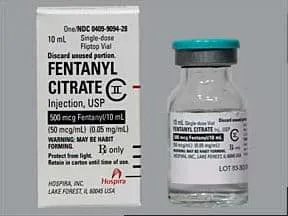
Some injectable pharmaceutical products contain fentanyl citrate, while other formulations deliver fentanyl through different routes.
The formulation matters because different products have different pharmacokinetic properties and approved uses.
Fentanyl History
The history of fentanyl begins in the late 1950s.
Fentanyl was developed in 1959 by researchers at Janssen Pharmaceutica, including Belgian physician and chemist Paul Janssen. It was subsequently introduced into medical practice during the 1960s as an intravenous anesthetic.
The development of fentanyl was part of a broader effort to create synthetic opioid medicines that could provide powerful analgesia while being useful in surgical and medical environments.
Over the following decades, fentanyl became an important medication in anesthesia and pain management.
Its pharmaceutical development eventually produced multiple formulations, including:
- Injectable fentanyl
- Transdermal patches
- Transmucosal products
- Nasal formulations
- Other specialized delivery systems
Each formulation was designed for a particular clinical purpose.
The Development of the Fentanyl Patch
One of the significant developments in fentanyl’s medical history was the creation of transdermal delivery systems.
A fentanyl patch allows medication to pass through the skin gradually, providing continuous drug delivery over an extended period.
This represented an important development for selected patients requiring continuous opioid analgesia.
However, transdermal fentanyl also requires careful handling because the patch can continue releasing medication after it has been removed.
Frequently Asked Questions About Fentanyl
What is fentanyl used for?
Fentanyl is primarily used medically for severe pain and as an analgesic component of anesthesia and certain sedation procedures.
Is fentanyl an opioid?
Yes. Fentanyl is a synthetic opioid.
Is fentanyl an opiate?
Technically, fentanyl is an opioid rather than a naturally derived opiate.
How strong is fentanyl compared with morphine?
Fentanyl is considerably more potent by weight. DEA describes it as approximately 100 times more potent than morphine as an analgesic.
Can fentanyl cause addiction?
Yes. Fentanyl can cause tolerance, physical dependence, and opioid use disorder.
Can fentanyl cause constipation?
Yes. Constipation is a common opioid-related effect.
Can fentanyl cause hallucinations?
It can, although hallucinations are not the typical therapeutic effect and may indicate a serious adverse reaction or another medical problem.
Can fentanyl cause seizures?
Seizures are possible, particularly in serious adverse reactions or poisoning.
Can fentanyl cause brain damage?
A severe overdose can cause brain damage through oxygen deprivation caused by respiratory depression.
Does fentanyl show up on an opiate test?
Not necessarily. A specific fentanyl assay may be required.
How long does fentanyl stay in the system?
It varies according to formulation, duration of use, metabolism, and the type of drug test.
Are fentanyl patches safe?
They can be safe when prescribed and used correctly, but misuse can cause life-threatening respiratory depression.
Are fentanyl patches addictive?
Yes. They can cause dependence and addiction.
What does a fentanyl overdose look like?
Common warning signs include extreme sleepiness, inability to wake, slow or shallow breathing, abnormal breathing sounds, and constricted pupils.
What treats fentanyl overdose?
Naloxone can reverse an opioid overdose. Emergency medical care is still necessary because overdose symptoms can return and additional treatment may be required.
Why is fentanyl dangerous?
Its high potency means excessive exposure can produce profound respiratory depression. Illicit fentanyl also creates a major risk because the amount and presence of the drug may be unknown.
Can fentanyl be prescribed?
Yes. Pharmaceutical fentanyl has legitimate medical uses and is prescribed or administered under appropriate medical supervision.
Is fentanyl used during surgery?
Yes. Fentanyl has long been used as an analgesic component of anesthesia.
Is fentanyl used during labor?
Fentanyl may be used in some obstetric settings for labor analgesia under medical supervision.
Can dogs receive fentanyl?
Veterinarians may use fentanyl for pain management in dogs, but a veterinarian must determine veterinary dosing and administration.
Conclusions: Understanding Fentanyl Safely & How To Buy Fentanyl Powder Online
Fentanyl is a complex medication that should not be described only as an “illegal drug.” Pharmaceutical fentanyl has an important place in modern medicine, particularly in severe pain management, anesthesia, and selected procedural settings.
At the same time, fentanyl is an exceptionally potent opioid capable of causing serious respiratory depression, dependence, addiction, and fatal overdose.
The distinction between pharmaceutical fentanyl and illicitly manufactured fentanyl is especially important. Regulated medical fentanyl is manufactured, labeled, prescribed, and administered under controlled conditions. Illicit fentanyl may be mixed into other drugs or pressed into counterfeit pills without the user’s knowledge.
People should never attempt to calculate fentanyl doses, convert fentanyl to morphine or another opioid, modify a fentanyl patch, or combine fentanyl with other sedating substances based solely on internet information.
For anyone who may encounter fentanyl medically or through an unexpected exposure, recognizing the signs of opioid overdose is critical. Extreme sleepiness, inability to wake, and slow, shallow, or stopped breathing should be treated as an emergency. Naloxone can reverse opioid overdose and should be followed by emergency medical care.
The safest approach to fentanyl is straightforward: use pharmaceutical fentanyl only as prescribed or administered by qualified healthcare professionals, never use medication that was not prescribed to you, and seek immediate emergency assistance when an opioid overdose is suspected.
Reviews
There are no reviews yet.