
Description
Buy Fentanyl Citrate Online: Medical Uses, Pharmacology, Dosage Forms, Side Effects, and Clinical Safety Guide
Fentanyl: Understanding Medical Uses, Pharmacology, and Safety
Buy Fentanyl Citrate Online. Fentanyl is a synthetic opioid medication used in modern medicine for the treatment of severe pain and for pain control during certain medical procedures. Healthcare professionals may prescribe fentanyl in carefully selected situations where pain cannot be adequately managed with other approaches.
Because fentanyl is highly potent, its medical use requires precise dosing, patient monitoring, and individualized treatment planning.
This article explains how fentanyl works, approved medical uses, available dosage forms, pharmacology principles, possible side effects, and important safety considerations.
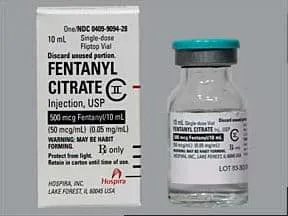
Buy Fentanyl Citrate Online | Buy Injectable Fentanyl
What Is Fentanyl?
Fentanyl is a synthetic opioid analgesic introduced into clinical practice in the mid-20th century.
It belongs to a category of medications designed to reduce severe pain by interacting with opioid receptors in the central nervous system.
Today, medical professionals may use fentanyl in controlled settings, including:
- Surgical anesthesia
- Intensive care medicine
- Cancer-related pain treatment
- Severe post-operative pain management
- Specialized pain management programs
Because fentanyl is highly potent, treatment decisions are based on medical history, pain severity, and professional evaluation.
How Fentanyl Works in the Body
Fentanyl works primarily by activating mu-opioid receptors located throughout the brain and spinal cord.
These receptors help regulate:
- Pain perception
- Emotional response to discomfort
- Breathing activity
- Sedation and alertness
When fentanyl binds to these receptors:
- Pain signaling decreases
- The experience of pain changes
- Relaxation or sedation may occur
- Respiratory activity may slow
The overall result is a reduction in severe pain sensations.
What Happens in the Brain During Fentanyl Therapy?
Fentanyl influences several regions involved in pain processing.
Brainstem
Helps regulate breathing and pain signaling.
Limbic System
Participates in emotional interpretation of pain.
Spinal Cord Networks
Transmits pain information between the body and the brain.
These combined effects contribute to pain relief.
Medical Uses of Fentanyl
Doctors generally reserve fentanyl for specific clinical situations.
Cancer Pain Management
Patients with advanced or persistent cancer-related pain may receive opioid therapy when clinically appropriate.
Treatment plans are individualized and monitored.
Surgical Anesthesia
Anesthesiology teams commonly use fentanyl during surgery.
Potential benefits include:
- Strong pain control
- Support for anesthesia protocols
- Reduced stress response during procedures
Breakthrough Pain Treatment
Breakthrough pain refers to sudden episodes of pain despite ongoing treatment.
Certain rapid-onset formulations may be prescribed under medical supervision.
Chronic Severe Pain
In selected patients, long-acting formulations may be considered for severe ongoing pain when alternative approaches are insufficient.
Fentanyl Dosage Forms
Fentanyl exists in multiple pharmaceutical forms designed for different clinical goals.
Injectable Fentanyl
Typically used in hospitals for:
- Surgical procedures
- Emergency pain management
- Critical care environments
Onset occurs rapidly.
Transdermal Patches
Fentanyl patches deliver medication gradually through the skin.
These formulations may be prescribed for long-term severe pain under careful monitoring.
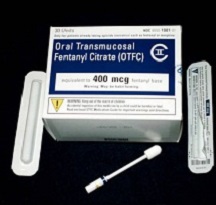
Buccal and Oral Transmucosal Products
Certain specialized formulations dissolve through oral tissues to allow absorption.
These products are intended for specific patient populations.
Intranasal Formulations
Some rapid-onset forms may be used in specialized pain treatment situations.
Fentanyl Pharmacokinetics
Pharmacokinetics describes how the body processes medication.
Absorption
Absorption depends on the delivery method.
Examples:
- Intravenous administration acts rapidly
- Oral transmucosal forms absorb through tissue surfaces
- Patches release medication gradually
Distribution
After entering circulation, fentanyl distributes into:
- Brain tissue
- Lungs
- Muscle
- Fat tissue
Its ability to cross into the central nervous system contributes to its clinical effects.
Metabolism
The liver primarily metabolizes fentanyl.
One major enzyme involved is:
Cytochrome P450 3A4 (CYP3A4)
Metabolism converts fentanyl into inactive compounds.
Elimination
Metabolites are primarily removed through the kidneys.
Elimination timing varies depending on:
- Dose
- Administration method
- Individual patient factors
Common Side Effects of Fentanyl
Like other opioid medications, fentanyl may cause side effects.
Possible effects include:
- Nausea
- Constipation
- Drowsiness
- Dry mouth
- Dizziness
- Fatigue
Patients should discuss unexpected symptoms with their healthcare team.
Respiratory Effects and Monitoring
One of the most important opioid-related concerns is reduced breathing activity.
Opioids may affect respiratory centers in the brain.
Risk may increase with:
- Higher doses
- Combining sedating medications
- Certain medical conditions
This is one reason professional monitoring is important.
Nervous System Effects
Some individuals may experience:
- Sedation
- Mental clouding
- Confusion
- Changes in mood or alertness
Responses vary among patients.
Drug Interactions to Know
Certain medications may influence fentanyl levels or effects.
CYP3A4 Inhibitors
Some medications may affect metabolism.
Examples include:
- Ketoconazole
- Ritonavir
Central Nervous System Depressants
Combining opioids with sedating substances may increase the risk of excessive sedation.
Examples may include:
- Diazepam
- Alprazolam
Medication review with a healthcare professional is important.
Frequently Asked Questions
Why might clinicians choose fentanyl?
Its pharmacologic properties allow strong pain relief in carefully controlled medical settings.
How long can fentanyl remain active?
Timing varies depending on formulation, patient characteristics, and dosing schedule.
Is fentanyl only used in hospitals?
Not always. Some approved formulations may be prescribed outside hospitals under medical supervision.
What makes fentanyl different from other opioids?
Its potency and pharmacologic profile make dosing and monitoring especially important.
Conclusions
Fentanyl remains an important medication in modern medicine for treating severe pain and supporting specialized medical care.
Understanding how it works, available dosage forms, pharmacology, possible side effects, and safety considerations helps patients interpret medical information more clearly.


Reviews
There are no reviews yet.