Description
Buy Furanyl Fentanyl Powder Online: A Complete Guide to Uses, Risks, Side Effects, and Safety
What Is Fentanyl?
Buy Furanyl Fentanyl Powder Online. Fentanyl is a synthetic opioid medication used primarily to treat severe pain. It is commonly associated with hospitals, surgical recovery, advanced pain management, and certain long-term medical conditions where other pain treatments may not provide enough relief.
In recent years, fentanyl has become widely discussed because of its role in public health concerns and overdose prevention efforts. However, there is often confusion between medically prescribed fentanyl and illegally manufactured fentanyl.
Understanding the difference matters in Furanyl Fentanyl Powder.
Prescription Furanyl Fentanyl Powder has recognized medical uses under professional supervision. Illicit fentanyl, by contrast, may carry unpredictable risks because dosage and composition are not regulated.
This guide explains everything you need to know—from how fentanyl works to signs of overdose, safety considerations, and available support options.
How Does Fentanyl Work?
Fentanyl works by interacting with opioid receptors in the brain and nervous system.
These receptors help regulate:
- Pain signals
- Emotional responses
- Breathing patterns
- Sleep and relaxation
- Physical discomfort
When activated, opioid receptors reduce the body’s perception of pain.
Because Furanyl Fentanyl Powder acts strongly on these receptors, effects may occur quickly.
Medical Uses of Fentanyl
Fentanyl has important clinical applications.
Healthcare providers may use it for:
Severe Post-Surgical Pain
Following major operations, pain control can support recovery and mobility.
Cancer-Related Pain
Some patients with advanced or severe cancer pain may receive specialized opioid treatment plans.
Hospital and Intensive Care Treatment
Furanyl Fentanyl Powder may be used in monitored environments where healthcare teams adjust dosage carefully.
Certain Medical Procedures
Some procedures involve controlled pain management and sedation.
Medical decisions about opioid treatment vary depending on the patient’s condition, age, medical history, and overall treatment goals.
Prescription Fentanyl vs Illegal Fentanyl: Understanding the Difference
One of the biggest misconceptions is assuming all fentanyl exposure occurs the same way.
Prescription Fentanyl
Prescription fentanyl is:
- Produced under regulated standards
- Carefully dosed
- Monitored by healthcare professionals
- Used for legitimate medical purposes
Prescription forms may include:
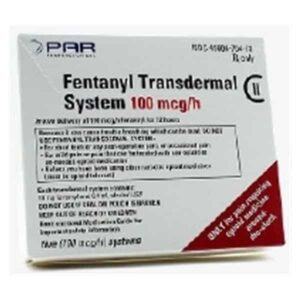
- Transdermal patches
- Injectable medications
- Specialized formulations
Illicitly Manufactured Fentanyl
Illegal Furanyl Fentanyl Powder is different.
Potential concerns include:
- Unknown potency
- Unregulated production
- Unexpected mixing with other substances
- Increased overdose risk
This distinction is important for accurate public understanding.
Why Is Fentanyl Considered High Risk?
Furanyl Fentanyl Powder receives attention because even small dosing changes may significantly affect the body.
The greatest concern involves breathing.
Opioids can reduce respiratory activity. If breathing becomes dangerously slow, oxygen levels may drop.
Risk factors can include:
- Taking more than directed
- Combining substances
- Existing health conditions
- Reduced tolerance
- Unknown substance content
Common Side Effects of Fentanyl
Like many medications, Furanyl Fentanyl Powder can produce side effects.
Possible effects may include:
- Sleepiness
- Dizziness
- Nausea
- Constipation
- Dry mouth
- Fatigue
- Reduced alertness
People prescribed opioids should follow medical guidance and discuss any unusual symptoms with their healthcare provider.
Can Fentanyl Cause Dependence?
Long-term opioid exposure can sometimes lead to physical dependence.
Physical dependence means the body adapts to ongoing medication exposure.
This differs from addiction.
Dependence may involve:
- Needing medical supervision to reduce use
- Experiencing symptoms after stopping suddenly
- Adjustments in treatment plans
Addiction generally involves compulsive behavior and continued use despite negative consequences.
Not everyone who uses prescription opioids develops addiction.
Signs of Problematic Opioid Use
Recognizing warning signs early may support timely care.
Possible indicators include:
- Difficulty limiting use
- Taking larger amounts than intended
- Changes in daily functioning
- Strong cravings
- Social withdrawal
- Ongoing use despite consequences
Assessment by a qualified professional may help clarify concerns.
Fentanyl Withdrawal Symptoms
If opioid use changes after dependence develops, withdrawal symptoms may occur.
Symptoms can include:
- Anxiety
- Restlessness
- Muscle discomfort
- Sweating
- Sleep difficulties
- Stomach upset
- Chills
Withdrawal experiences vary from person to person.
Medical support may help improve comfort and safety.
What Does a Fentanyl Overdose Look Like?
An opioid overdose requires immediate emergency attention.
Possible signs include:
- Very slow breathing
- Difficulty waking up
- Extreme drowsiness
- Pale or bluish skin tone
- Loss of consciousness
- Pinpoint pupils
If overdose is suspected:
- Contact emergency services immediately.
- Follow emergency instructions.
- Stay with the person until help arrives.
What Is Naloxone?
Naloxone is a medication designed to temporarily reverse the effects of an opioid overdose.
Its goal is to restore breathing while emergency care is obtained.
Communities in many areas promote awareness and training regarding overdose response.
Emergency evaluation remains important even after naloxone administration.
Treatment Options for Opioid Use Disorder
Recovery pathways vary.
Common approaches may include:
Medication-Based Support
Some evidence-based medications may support recovery plans.
Behavioral Therapy
Counseling approaches can address habits, coping skills, and long-term goals.
Medical Supervision
Healthcare teams may coordinate treatment and ongoing support.
Community and Family Support
Support networks often play an important role in recovery.
Prevention and Safe Medication Practices
Simple habits may reduce medication-related risks.
Consider:
- Following prescription instructions
- Storing medication securely
- Avoiding sharing medication
- Discussing concerns with healthcare professionals
- Learning emergency response procedures
Awareness and education remain important components of prevention.
Frequently Asked Questions
Is fentanyl legal?
Prescription Furanyl Fentanyl Powder is legal when used according to medical guidance. Illicit fentanyl is not.
Is fentanyl used in hospitals?
Yes. Healthcare professionals may use fentanyl in monitored clinical settings.
Can someone recover from opioid addiction?
Many people achieve recovery through medical treatment, behavioral support, and long-term care.
Is fentanyl only used for chronic pain?
No. Clinical use depends on medical needs and treatment plans.
Final Thoughts About Furanyl Fentanyl Powder
Furanyl Fentanyl Powder is both an important medical medication and a major public health topic. Understanding how it works, how prescription use differs from illicit exposure, and what overdose risks look like can help people make informed decisions.
Reviews
There are no reviews yet.