
Fentanyl Patches | Fentanyl Patch For Sale | Buy Fentanyl Patch Online, Drug Tests, Detection, Medical Uses, and Common Questions
Fentanyl patches are one of the most frequently misunderstood forms of opioid medication.
Fentanyl Patch For Sale. A patch may look like an ordinary adhesive medical product, but a fentanyl patch is fundamentally different. It contains a potent opioid designed to deliver medication through the skin over an extended period.
People also have many questions about fentanyl detection:
- How long does fentanyl stay in the system?
- How long does fentanyl last?
- Will fentanyl show up on a drug test?
- Does fentanyl test positive as an opiate?
- Can a standard opioid screen detect fentanyl?
- Are fentanyl test strips accurate?
- What are fentanyl patch side effects?
- Are fentanyl patches addictive?
- Who should use a fentanyl patch?
This article explains these questions in plain language.
What Is a Fentanyl Patch?
A fentanyl patch is a transdermal medication system.
Instead of being swallowed or injected, the medication is delivered through the skin.
The goal is controlled, continuous opioid delivery over an extended period.
Because fentanyl is extremely potent, these patches are specialized prescription medicines rather than general-purpose pain-relief products.

Fentanyl Patch For Sale | Buy Fentanyl Patch Online
How Does a Fentanyl Patch Work?
The patch contains fentanyl that gradually passes through the skin and enters the bloodstream.
This creates sustained exposure rather than the rapid changes associated with some injectable formulations.
The exact release characteristics depend on the specific product.
Who Uses Fentanyl Patches?
Fentanyl patches are generally intended for people who require ongoing opioid treatment for severe persistent pain and who are already opioid tolerant.
FDA labeling for transdermal fentanyl specifically states that the product is for opioid-tolerant patients and for persistent chronic pain requiring continuous around-the-clock opioid treatment.
That distinction is extremely important.
A fentanyl patch is not intended for someone who has never taken opioids.
Are Fentanyl Patches Safe?
They can be safe when appropriately prescribed and used exactly as directed.
But they contain a powerful opioid, so improper use can be life-threatening.
Important safety concerns include:
- Accidental exposure
- Improper application
- Unauthorized use
- Heat exposure
- Combining with sedatives
- Use by people without opioid tolerance
- Improper disposal
- Use of damaged patches
Fentanyl Patch Side Effects
Potential side effects include:
- Drowsiness
- Dizziness
- Nausea
- Vomiting
- Constipation
- Sweating
- Itching
- Confusion
- Skin irritation
- Respiratory depression
Severe difficulty breathing or inability to wake someone is an emergency.
Are Fentanyl Patches Addictive?
They can cause physical dependence and can contribute to opioid use disorder.
However, physical dependence and addiction are not identical.
A person who takes a fentanyl patch exactly as prescribed can develop physical dependence without developing an addiction.
If the medication is no longer needed, a clinician can determine an appropriate plan for reducing treatment.
Can Heat Affect a Fentanyl Patch?
Yes.
Heat can affect transdermal medication delivery.
Patients should follow the instructions specific to their product and avoid unauthorized exposure to heating pads, hot tubs, saunas, or other intense heat.
A patch should never be deliberately heated to increase drug delivery.
Fentanyl Drug Testing
Fentanyl detection depends heavily on the type of test being used.
This is one area where online discussions can create confusion.
A test described simply as an “opiate test” is not necessarily designed to detect fentanyl.
Will Fentanyl Show Up on a Drug Test?
Yes, if the test is designed to detect fentanyl or fentanyl metabolites.
Modern clinical testing can specifically identify fentanyl.
CDC data systems also track fentanyl detected in clinical urine drug testing.
Will Fentanyl Show Up as an Opiate?
Not necessarily.
Traditional opiate immunoassays may be designed primarily around morphine-like compounds.
Fentanyl is structurally different.
Consequently, a person can have fentanyl exposure without necessarily receiving a positive result on a conventional “opiate” screen.
A fentanyl-specific assay may be required.
Why Is Fentanyl Sometimes Missing From a Standard Opioid Test?
Different drug tests target different compounds.
A test that detects morphine, codeine, or related substances is not automatically capable of detecting every synthetic opioid.
Laboratories therefore use specialized testing methods when fentanyl detection is clinically necessary.
How Long Does Fentanyl Stay in Your System?
There is no universal answer.
Detection depends on:
- Formulation
- Route
- Frequency of use
- Duration of exposure
- Individual metabolism
- Kidney function
- Liver function
- Type of specimen
- Laboratory method
- Test sensitivity
A person may stop feeling the medication’s effects while fentanyl or its metabolites remain detectable.
How Long Does Fentanyl Last?
Again, formulation matters.
An injectable form has a very different duration from a transdermal patch.
The perceived effect can also differ from the time the drug remains measurable in the body.
This is why “How long does fentanyl last?” and “How long does fentanyl stay in your system?” are actually two different questions.
What Is the Difference Between Duration and Detection?
Duration refers to how long noticeable pharmacological effects may persist.
Detection refers to how long a laboratory test can identify the drug or its metabolites.
These periods do not necessarily match.
A person may feel normal while a laboratory test remains positive.
Fentanyl False Positives
Drug testing is not perfect.
Some screening tests can produce false-positive results because of assay limitations or cross-reactivity.
When an unexpected result has significant consequences, confirmatory laboratory testing may be appropriate.
A screening result should not always be treated as the final word.
Fentanyl Test Strips
Fentanyl test strips are designed to identify fentanyl in certain samples.
They are primarily discussed as a harm-reduction tool in relation to illicit drug use.
A positive result indicates that fentanyl may be present.
A negative result does not guarantee that a substance is safe.
Are Fentanyl Test Strips Accurate?
They can be useful, but they have limitations.
Potential problems include:
- Uneven distribution of fentanyl
- Insufficient sample
- Test sensitivity
- Other fentanyl-related substances
- User error
- Limitations of the specific test
The safest approach is not to use illicit drugs.
Fentanyl Color and Appearance
People sometimes ask what fentanyl looks like.
There is no single appearance that identifies all fentanyl products.
Pharmaceutical fentanyl exists in controlled formulations with product-specific appearances.
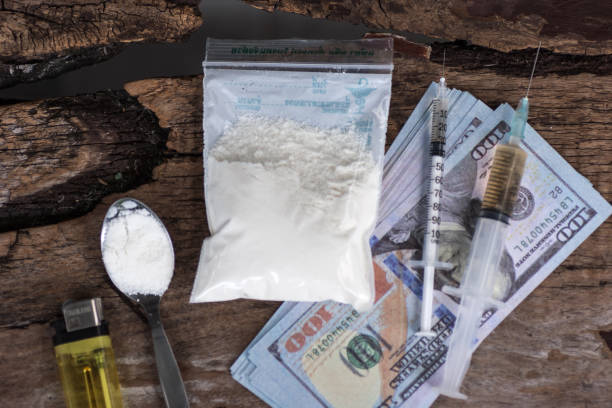
Illicit fentanyl may appear in powder or counterfeit-pill form.
The CDC notes that illegally manufactured fentanyl may be encountered as powder and pressed into counterfeit pills.
Visual inspection cannot reliably determine whether an unknown substance contains fentanyl.
Why Appearance Is Not a Reliable Safety Test
Two powders can look almost identical while containing completely different substances.
Likewise, counterfeit tablets can be made to resemble legitimate prescription medications.
Therefore:
Color is not a reliable fentanyl test.
Shape is not a reliable fentanyl test.
Packaging is not a reliable fentanyl test.
Fentanyl Medical Uses
Although the current public discussion often centers on illicit fentanyl, pharmaceutical fentanyl remains an important medication.
Medical applications include:
- Surgical anesthesia
- Procedural analgesia
- Severe pain
- Certain cancer pain situations
- Specialized hospital care
FDA records continue to list approved fentanyl products, including injectable and transdermal formulations.
Fentanyl for Surgery
During surgery, fentanyl can provide strong pain relief.
It may be administered alongside other anesthetic medications.
Anesthesia professionals continuously monitor the patient because opioids can affect breathing and cardiovascular function.
Fentanyl for Colonoscopy
Some procedural sedation protocols include an opioid such as fentanyl.
Other facilities may use different medication combinations.
The exact approach depends on the patient’s health, procedure, sedation strategy, and clinical judgment.
Fentanyl for Labor
Fentanyl may be used in some labor and obstetric settings.
Because medications given during labor can affect both the mother and baby, administration requires appropriate medical oversight.
Fentanyl for Cancer
Some patients with severe persistent cancer-related pain may receive specialized opioid therapy.
Transdermal fentanyl may be considered in selected opioid-tolerant patients.
It is not appropriate for every person with cancer pain.
Fentanyl and Other Medications
Fentanyl can interact with substances that cause sedation or respiratory depression.
Important examples include:
- Alcohol
- Benzodiazepines
- Other opioids
- Sedative medications
- Some sleep medications
Patients should tell healthcare professionals about all medications and substances they use.
Fentanyl and Versed
Versed is midazolam.
It is a benzodiazepine commonly used for procedural sedation.
Fentanyl and midazolam may be used together under close medical monitoring.
The combination can increase respiratory depression risk.
Fentanyl and Propofol
Propofol and fentanyl have different pharmacological roles.
Propofol is an anesthetic/sedative.
Fentanyl is an opioid analgesic.
They may be combined in medical settings, particularly anesthesia, when clinicians judge that the benefits outweigh the risks.
Frequently Asked Questions About Fentanyl
What is fentanyl?
Fentanyl is a synthetic opioid used medically for severe pain and anesthesia. Illegally manufactured fentanyl is also a major component of the illicit opioid supply.
Where does fentanyl come from?
Pharmaceutical fentanyl is manufactured by regulated pharmaceutical companies. Illegally manufactured fentanyl is produced outside the regulated pharmaceutical system.
What is fentanyl used for?
Medical fentanyl can be used for severe pain, surgery, anesthesia, procedural sedation, and selected chronic pain conditions.
Is fentanyl an opioid?
Yes.
It is a synthetic opioid.
Is fentanyl an opiate?
Technically, it is an opioid rather than a naturally occurring opiate.
Can fentanyl be prescribed?
Yes.
Certain pharmaceutical fentanyl formulations are prescribed or administered medically under applicable laws.
How long does fentanyl remain detectable?
The answer varies according to formulation, exposure, metabolism, and the type of drug test.
Does fentanyl show up on a drug test?
It can, especially when the test specifically targets fentanyl or its metabolites.
Will fentanyl test positive for opiates?
Not necessarily.
A conventional opiate screen may not detect fentanyl reliably.
Can fentanyl cause constipation?
Yes.
Constipation is a common opioid effect.
Can fentanyl cause low blood pressure?
It can contribute to hypotension in certain circumstances.
Can fentanyl cause hallucinations?
Hallucinations are not the typical effect, but confusion or delirium can occur in some situations.
Can fentanyl cause seizures?
Seizures are not typical but may occur in serious poisoning or complicated medical circumstances.
Can fentanyl cause brain damage?
Severe overdose can cause brain damage through oxygen deprivation caused by respiratory depression.
Can fentanyl cause cardiac arrest?
Severe opioid poisoning can ultimately result in cardiac arrest.
Can fentanyl cause a heart attack?
A heart attack is not considered a routine direct effect, but severe poisoning can cause serious cardiovascular complications.
Fentanyl Safety Checklist
If you or someone you know is prescribed fentanyl, consider these general safety principles:
- Use only the medication prescribed to you.
- Follow the prescribing instructions.
- Do not share fentanyl.
- Keep it away from children.
- Avoid unauthorized combinations with alcohol or sedatives.
- Ask your pharmacist about interactions.
- Follow specific instructions for patches.
- Dispose of unused medication safely.
- Know the signs of opioid overdose.
- Keep naloxone available when appropriate.
Final Thoughts
Fentanyl is simultaneously a legitimate medical medication and a major public-health concern.
The safest way to understand it is to separate the different contexts.
A prescription fentanyl patch is not the same situation as an unknown powder from an illicit drug market.
A fentanyl injection administered during surgery is not the same as an unknown counterfeit tablet.
A laboratory fentanyl test is not necessarily the same as a conventional opiate screen.
Those distinctions make the subject much easier to understand.
If you are taking pharmaceutical fentanyl, follow your healthcare professional’s instructions carefully.
If you suspect an opioid overdose, treat it as an emergency, use naloxone when available and appropriate, and contact emergency medical services immediately.