Description
What Is Fentanyl? Uses, Types, Benefits, Risks, and Safe Use of Fentanyl Patches
Understanding Fentanyl and Its Role in Modern Pain Management
Buy Fentanyl Patch Online. Fentanyl is a powerful prescription opioid medication primarily used to manage severe pain in carefully selected patients under medical supervision. It belongs to a class of drugs known as opioid analgesics, which work by binding to opioid receptors in the brain and nervous system to reduce the perception of pain.
Compared with many other opioids, fentanyl is significantly more potent and is generally reserved for situations where standard pain treatments are not sufficient. Healthcare professionals may prescribe fentanyl for people experiencing severe chronic pain, cancer-related pain, or pain that requires continuous opioid therapy.
Because of its potency, fentanyl must always be used exactly as prescribed. Improper use can lead to serious side effects, dependency, overdose, and life-threatening breathing problems.
Buy Fentanyl Patch Online | Fentanyl Patch For Sale Online
What Are Fentanyl Patches?
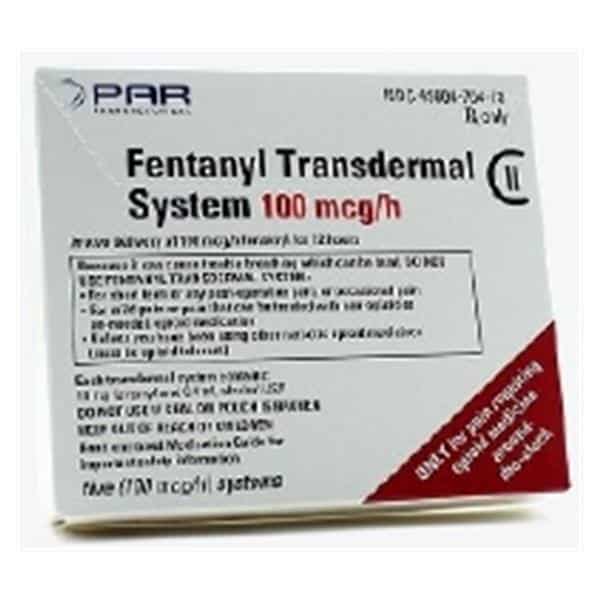
Fentanyl patches, also known as transdermal fentanyl systems, are prescription patches designed to deliver fentanyl slowly through the skin over an extended period of time.
Unlike immediate-release pain medications that work quickly and wear off sooner, fentanyl patches provide continuous pain relief for people who require around-the-clock treatment.
These patches are commonly prescribed to patients who:
- Experience persistent severe pain
- Require long-term opioid therapy
- Already have opioid tolerance
- Need stable pain control throughout the day and night
- Are you managing cancer-related pain or advanced chronic conditions
Fentanyl patches are not intended for occasional pain, short-term injuries, migraines, or mild discomfort.
How Do Fentanyl Patches Work?
A fentanyl patch adheres to the skin and gradually releases controlled amounts of medication into the bloodstream.
Once absorbed, fentanyl acts on opioid receptors to reduce pain signals reaching the brain.
The extended delivery method helps patients avoid frequent dosing and maintain more consistent symptom control.
Common areas where patches are typically applied include:
- Upper arm
- Chest
- Back
- Upper torso (depending on medical instructions)
Application instructions should always follow the prescribing information and guidance from a healthcare provider.
Common Medical Uses of Fentanyl
Chronic Severe Pain Management
One of the most common uses of fentanyl patches is treating severe ongoing pain that requires continuous management.
Examples may include:
- Advanced arthritis pain
- Severe nerve pain
- Long-term musculoskeletal conditions
- Complex pain syndromes
Cancer Pain Treatment
Fentanyl patches are frequently used in cancer care to provide consistent relief from persistent pain associated with treatment or disease progression.
Breakthrough Pain (Non-Patch Forms)
Not all fentanyl products work the same way.
Some formulations are intended for rapid relief of sudden severe pain episodes and may include:
- Lozenges
- Buccal tablets
- Nasal formulations
- Injectable forms
These products differ from transdermal patches and must be prescribed based on individual medical needs.
Types of Fentanyl Delivery Systems
There is one medication (fentanyl) but several delivery methods.
Transdermal Patches
Provide continuous release over an extended period.
Advantages
- Long-lasting relief
- Reduced dosing frequency
- Consistent medication levels
Considerations
- Requires careful application
- Delayed onset compared with immediate formulations
- It can be dangerous if misused
Transmucosal Forms
These dissolve through oral tissues or nasal passages and act more rapidly.
Advantages
- Faster pain control
Considerations
- Higher misuse and overdose risk if used incorrectly
Injectable Fentanyl
Typically administered in hospitals or procedural settings.
Advantages
- Rapid action
- Precise medical dosing
Considerations
- Requires professional supervision
Potential Benefits of Fentanyl Patches
When prescribed appropriately and monitored carefully, fentanyl patches may offer several benefits.
Consistent Pain Relief
Unlike short-acting medications that require frequent dosing, patches provide ongoing delivery.
Improved Convenience
Patients may avoid taking medication multiple times daily.
Better Long-Term Pain Stability
Steady medication levels may help reduce fluctuations in symptom control.
Reduced Pill Burden
For some patients, patches can simplify treatment routines.
Important Risks and Safety Considerations
Although effective for selected patients, fentanyl carries serious risks.
Respiratory Depression
Fentanyl can slow breathing, particularly:
- At higher doses
- When combined with alcohol
- When combined with sedatives
- In people not already taking opioids
Dependence and Misuse
Long-term opioid exposure may lead to:
- Physical dependence
- Tolerance
- Opioid use disorder in some individuals
Accidental Exposure
Unused or improperly stored patches may pose a danger to:
- Children
- Pets
- Others in the household
Overdose Risk
Symptoms requiring emergency attention may include:
- Slow or stopped breathing
- Extreme sleepiness
- Blue lips
- Loss of consciousness
How to Choose the Right Fentanyl Treatment
Choosing any opioid treatment requires an individualized medical assessment.
Healthcare providers may consider:
Pain Severity
Whether symptoms require continuous opioid therapy.
Existing Medications
Potential drug interactions.
Medical History
Including lung conditions and prior opioid exposure.
Pregnancy and Breastfeeding
A special medical evaluation is necessary before opioid use.
Sensitivity to Adhesives or Ingredients
Alternative formulations may sometimes be considered.
How to Use Fentanyl Patches Safely
Safe use is essential.
Follow prescription instructions exactly
Never increase dose frequency without medical approval.
Apply only to the recommended skin areas
Use clean, dry, intact skin.
Avoid heat exposure
Heating pads, hot tubs, and excessive heat can increase medication absorption.
Do not cut patches
Altering the patch may affect medication delivery.
Replace only as directed
Timing depends on the prescribed product.
Store securely
Keep away from children and pets.
Dispose properly
Follow local medication disposal guidance.
Frequently Asked Questions About Fentanyl Patches
Are fentanyl patches addictive?
Opioids can lead to physical dependence and misuse risk. Use should always follow medical guidance.
Are fentanyl patches stronger than oral opioids?
Fentanyl is highly potent, but strength comparisons depend on dose and individual treatment plans.
Can fentanyl patches be used for mild pain?
They are generally intended for severe pain requiring ongoing opioid management.
How quickly do fentanyl patches work?
They are designed for gradual medication delivery rather than immediate relief.
Final Thoughts
Fentanyl patches remain an important option in modern pain management for carefully selected patients experiencing severe, persistent pain. Their extended-release design can offer continuous relief and improve treatment convenience when used under professional supervision.
At the same time, fentanyl is a powerful opioid that requires careful dosing, monitoring, storage, and adherence to prescribing instructions. Anyone considering fentanyl therapy should discuss benefits, alternatives, risks, and long-term management plans with a qualified healthcare professional.

Reviews
There are no reviews yet.