Description
Buy 98% Fentanyl for sale online: Understanding Fentanyl: Medical Uses, Risks, Overdose Prevention, and Harm Reduction
The opioid crisis continues to affect individuals, families, healthcare systems, and communities across the United States and around the world. Among the substances at the center of this public health emergency is fentanyl — a synthetic opioid that has transformed both pain management in medicine and overdose prevention efforts in public health.
Fentanyl has legitimate and important medical uses. It is prescribed in carefully controlled healthcare settings to help patients manage severe pain, including pain following surgery, cancer-related pain, and other serious medical conditions. Yet at the same time, illegally manufactured fentanyl has become one of the leading contributors to accidental overdose deaths in recent years.
Understanding the difference between medical fentanyl and illicit fentanyl is essential. Education, awareness, prevention strategies, and access to evidence-based resources can help reduce harm and save lives.
This guide explores what fentanyl is, how it works, why it has become a major public health concern, and what individuals and communities can do to respond safely and responsibly.
Buy 98% Fentanyl For Sale Online | Fentanyl For Sale
What Is Fentanyl?
Fentanyl is a synthetic opioid medication developed for pain management.
Unlike opioids that originate naturally from the opium poppy plant, fentanyl is manufactured in laboratories and designed to interact with opioid receptors in the brain and nervous system.
Medical fentanyl is extremely potent and is generally reserved for situations involving severe pain that cannot be effectively managed with lower-potency medications.
Healthcare providers may prescribe fentanyl in situations including:
- Recovery after major surgery
- Cancer-related pain management
- Severe chronic pain
- Palliative and end-of-life care
- Certain hospital procedures require anesthesia support
When prescribed appropriately and used exactly as directed, fentanyl can provide meaningful relief for patients experiencing intense physical suffering.
However, because of its strength, fentanyl also requires careful dosing and close medical supervision.
Why Fentanyl Is Considered Extremely Potent
One of the reasons fentanyl receives so much public attention is its potency.
Fentanyl can be significantly stronger than many commonly known opioids, meaning extremely small amounts can produce powerful effects.
Its potency contributes to:
- Faster onset of effects
- Greater risk of respiratory suppression
- Higher overdose potential when misused
- Increased danger when unexpectedly present in other substances
This narrow margin between intended therapeutic effects and toxic effects is one reason healthcare providers treat fentanyl with strict monitoring and controlled prescribing practices.
Medical Fentanyl vs. Illicitly Manufactured Fentanyl
One of the most important distinctions in public education is understanding that not all fentanyl exposure occurs in the same context.
Prescription Fentanyl
Prescription fentanyl is:
- Produced under pharmaceutical quality standards
- Dispensed through licensed healthcare systems
- Used for approved medical purposes
- Monitored by healthcare professionals
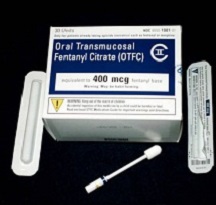
Forms may include:
- Transdermal patches
- Injectable formulations
- Specialized prescription products
Illicitly Manufactured Fentanyl
Illicit fentanyl differs significantly.
It may be:
- Produced outside regulated pharmaceutical systems
- Mixed with other substances
- Distributed without quality controls
- Present in unpredictable concentrations
Public health agencies have repeatedly emphasized that individuals may not realize fentanyl is present in a substance.
This unpredictability dramatically increases overdose risk.
How Fentanyl Affects the Body
Fentanyl works by binding to opioid receptors located throughout the nervous system.
These receptors influence:
- Pain perception
- Breathing
- Mood
- Relaxation
- Sedation
Short-term effects may include:
- Pain relief
- Drowsiness
- Calmness
- Reduced awareness of discomfort
However, excessive opioid exposure can suppress breathing.
Respiratory depression is the primary mechanism behind fatal opioid overdoses.
Why Counterfeit Pills Present Serious Risks
Public health organizations continue to raise awareness about counterfeit pills.
Counterfeit pills are tablets manufactured to resemble legitimate medications.
They may imitate:
- Prescription pain medications
- Anti-anxiety medications
- Stimulant medications
Visual appearance alone cannot determine whether a pill is authentic.
Because counterfeit products may contain unknown ingredients or inconsistent contents, health authorities recommend avoiding medications obtained outside licensed medical and pharmacy channels.
Recognizing Signs of Opioid Overdose
Learning to recognize an overdose can save lives.
Common warning signs may include:
- Slow or stopped breathing
- Unresponsiveness
- Blue or gray lips
- Pinpoint pupils
- Limp body
- Gurgling or choking sounds
- Extreme difficulty waking the person
If an overdose is suspected:
- Call emergency services immediately.
- Administer naloxone if available.
- Stay with the person.
- Follow dispatcher instructions.
Rapid response matters.
What Is Naloxone and How Does It Work?
Naloxone is an opioid overdose reversal medication.
It works by temporarily blocking opioid activity and helping restore breathing.
Naloxone is available in various forms and has become an important component of overdose prevention efforts.
Important considerations:
- Effects may be temporary
- Emergency medical evaluation remains necessary
- Additional doses may sometimes be needed
Many communities now promote expanded access to naloxone as part of broader public health initiatives.
Harm Reduction and Community Prevention Efforts
Harm reduction refers to practical strategies designed to reduce adverse outcomes associated with drug use.
Examples include:
- Education and awareness campaigns
- Distribution of naloxone
- Drug-checking education
- Peer support programs
- Community outreach
- Access to treatment services
Harm reduction does not replace treatment.
Instead, it focuses on reducing immediate risks and creating pathways to healthcare and support.
Understanding Fentanyl Test Strips
Fentanyl test strips have emerged as one tool used within harm reduction programs.
These tools are intended to help identify the possible presence of fentanyl in a sample.
Supporters view them as an additional layer of awareness that may help reduce accidental exposure.
Communities differ in availability and policies, and individuals should refer to local public health guidance.
Why Public Education Matters
Public health experts emphasize that education remains one of the most effective tools for prevention.
Awareness helps individuals:
- Understand overdose risks
- Recognize warning signs
- Access emergency support
- Reduce stigma
- Connect with treatment resources
Education also helps families and communities respond more effectively.
Addressing Stigma Around Substance Use
Stigma often discourages people from seeking medical care.
Substance use disorders are recognized as health conditions that can involve biological, psychological, and social factors.
Reducing stigma supports:
- Earlier intervention
- Better treatment outcomes
- Improved community support
- Increased healthcare engagement
Language matters.
Approaching these conversations with compassion and evidence-based information can improve public outcomes.
Treatment and Recovery Options
Support and treatment options vary based on individual circumstances.
Potential approaches may include:
Medical Evaluation
Healthcare professionals can assess symptoms, risks, and treatment options.
Behavioral Support
Counseling and structured support services may assist recovery.
Medication-Assisted Treatment
Evidence-based treatment plans may include medications combined with behavioral care.
Community Resources
Peer networks and recovery communities may provide additional support.
Recovery experiences differ from person to person.
Frequently Asked Questions
Is fentanyl ever used medically?
Yes. Healthcare professionals may prescribe fentanyl for carefully monitored pain management situations.
Is fentanyl available over the counter?
No. Fentanyl requires medical authorization and regulated dispensing.
Can naloxone reverse an opioid overdose?
Naloxone can temporarily reverse opioid effects and restore breathing during an emergency.
Why are counterfeit pills dangerous?
Appearance alone cannot confirm contents or quality.
What should I do during a suspected overdose?
Call emergency services immediately and administer naloxone if available.
Final Thoughts
Fentanyl represents both an important medical advancement and a major public health challenge.
Prescription fentanyl continues to serve a legitimate role in pain management under professional supervision. At the same time, the rise of illicitly manufactured fentanyl has increased the urgency around education, overdose prevention, harm reduction, and community awareness.
Reducing preventable harm requires more than one solution.
Healthcare access, public education, evidence-based treatment, community outreach, overdose response preparedness, and compassionate support all play important roles.
Understanding the risks, recognizing warning signs, and knowing where to find trusted health information can help individuals and communities make safer, more informed decisions.
Reviews
There are no reviews yet.