
Description
Buy Fentanyl Powder Online: Understanding Its Uses, Risks, Effects, and Why Awareness Matters
Buy Fentanyl Powder Online. Fentanyl has become one of the most talked-about substances in public health conversations over the past decade. It appears in news headlines, medical discussions, overdose prevention campaigns, and community awareness efforts across many countries.
Despite the attention, there is still widespread confusion about what fentanyl actually is, how it works, why it can be dangerous, and the difference between medically prescribed fentanyl and illegally manufactured versions.
Understanding the facts matters. Fentanyl itself has important medical uses and helps many patients manage severe pain. At the same time, illicit fentanyl has become associated with a growing number of overdose deaths because of its extreme potency and unpredictable presence in the illegal drug supply.
This guide explains what fentanyl is, how it affects the body, common risks, signs of overdose, treatment options, and practical ways people can reduce harm and stay informed.
What Is Fentanyl?
Fentanyl is a powerful synthetic opioid medication used to treat severe pain.
Opioids are a class of drugs that interact with opioid receptors in the brain and body to reduce pain signals. Some opioids come directly from the opium poppy plant, while others are partially or fully synthesized in laboratories.
Fentanyl belongs to the synthetic category.
Healthcare professionals may prescribe fentanyl for situations such as:
- Severe pain after major surgery
- Cancer-related pain
- Chronic pain in carefully selected patients
- Pain management in hospital and intensive care settings
- Pain control during certain medical procedures
When used under medical supervision and according to prescription instructions, fentanyl can be an effective and important treatment tool.
However, fentanyl’s strength means that small differences in dose can significantly change its effects.
Why Is Fentanyl Considered So Powerful?
Fentanyl is known for producing strong effects at very small amounts.
Because of its potency, it reaches opioid receptors efficiently and can reduce pain rapidly.
This same characteristic is also what increases risk.
When too much fentanyl enters the body, breathing can slow dramatically. In severe cases, breathing may stop altogether.
Another challenge is that illicitly manufactured fentanyl may appear mixed into other substances without a person realizing it.
That unpredictability increases overdose risk.
Prescription Fentanyl vs. Illicit Fentanyl
One of the biggest misunderstandings is treating all fentanyl as identical.
Prescription Fentanyl
Prescription fentanyl is produced under regulated medical standards.
Doctors may prescribe it in forms such as:
- Skin patches
- Injections
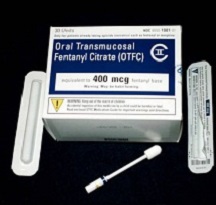
- Lozenges
- Certain specialized delivery systems
Patients receiving prescription fentanyl are typically monitored and given specific dosing instructions.
Illicitly Manufactured Fentanyl
Illicit fentanyl refers to illegally produced versions that are not medically regulated.
These substances may:
- Vary significantly in strength
- Be mixed with other drugs
- Appear unexpectedly in counterfeit pills
- Increase overdose risk because the dose and contents are unknown
This distinction is important because public discussion often combines both categories even though they involve different circumstances.
How Fentanyl Affects the Body
Fentanyl works by attaching to opioid receptors throughout the nervous system.
These receptors influence:
- Pain perception
- Emotional responses
- Breathing
- Alertness
- Heart function
Short-term effects may include:
- Pain relief
- Relaxation
- Sleepiness
- Drowsiness
- Reduced anxiety
- Slower breathing
Potential unwanted effects can include:
- Nausea
- Dizziness
- Constipation
- Confusion
- Sedation
- Reduced oxygen levels
The intensity of these effects depends on factors such as dose, body size, opioid tolerance, age, and interactions with other substances.
How Dependence Can Develop
Physical dependence means the body adapts to regular exposure to an opioid.
Over time:
- A person may require different dosing under medical supervision
- Stopping suddenly may lead to withdrawal symptoms
- Medical guidance may be needed for safe changes
Dependence is different from addiction.
Addiction generally involves compulsive use despite harmful consequences and can involve behavioral, emotional, and neurological changes.
Not everyone prescribed fentanyl develops addiction.
Common Signs of Opioid Misuse
Recognizing warning signs early may help someone seek support sooner.
Possible indicators can include:
- Using more than prescribed
- Difficulty controlling use
- Strong cravings
- Neglecting responsibilities
- Changes in mood or behavior
- Seeking additional sources outside medical guidance
- Continuing use despite negative outcomes
A single sign alone does not necessarily confirm a substance use disorder, but patterns may warrant professional evaluation.
Fentanyl Withdrawal: What People May Experience
When opioid use is reduced or stopped after dependence develops, withdrawal symptoms may occur.
Symptoms can include:
- Muscle aches
- Sweating
- Restlessness
- Anxiety
- Runny nose
- Sleep problems
- Nausea
- Vomiting
- Chills
Withdrawal symptoms can feel intense but are often manageable with medical support.
People should avoid making major changes to prescribed opioid treatment without consulting a healthcare professional.
Understanding Fentanyl Overdose
An overdose happens when the body receives more opioid effects than it can safely tolerate.
The most serious risk is slowed or stopped breathing.
Possible signs include:
- Extreme sleepiness
- Difficulty waking up
- Slow breathing
- No breathing
- Blue or gray lips
- Small pupils
- Loss of consciousness
An overdose is a medical emergency.
Emergency services should be contacted immediately if an overdose is suspected.
What Is Naloxone?
Naloxone is a medication designed to reverse an opioid overdose.
It works by temporarily blocking opioid effects and may help restore breathing while emergency care is on the way.
People at increased overdose risk may discuss access and training with local healthcare providers.
Even after naloxone is given, emergency evaluation remains important.
Treatment Options for Opioid Use Disorder
Recovery and treatment look different for each person.
Evidence-based approaches may include:
Medication-Assisted Treatment
Certain medications may support recovery and reduce cravings.
Behavioral Therapy
Counseling approaches can help build coping strategies and address underlying factors.
Support Networks
Recovery communities, peer support, and family involvement may play meaningful roles.
Medical Care
Comprehensive treatment may include physical health, mental health, and social support services.
Seeking help early can improve outcomes.
How Families and Communities Can Support Prevention
Prevention efforts often work best when they combine education, access to care, and supportive environments.
Helpful approaches include:
- Talking openly about medication safety
- Storing prescriptions securely
- Following medical instructions carefully
- Learning overdose warning signs
- Supporting nonjudgmental access to treatment
Reducing stigma can make it easier for people to ask for help.
Frequently Asked Questions
Is fentanyl always illegal?
No. Fentanyl can be legally prescribed and used in medical settings. Illicitly manufactured fentanyl is different from regulated prescription use.
Can fentanyl be used safely?
When prescribed and monitored by healthcare professionals, fentanyl can serve important medical purposes.
Is fentanyl stronger than some other opioids?
Fentanyl is widely recognized as a highly potent opioid, which is why precise medical dosing is important.
Can someone recover from opioid addiction?
Many people do recover with combinations of medical care, treatment programs, counseling, and long-term support.
Final Thoughts
Fentanyl is a complex subject that sits at the intersection of medicine, public health, pain treatment, and addiction awareness.
Understanding the difference between prescribed medical use and illicit exposure can help reduce confusion and support informed decisions.
Awareness, education, early intervention, and access to treatment remain important tools for reducing harm and helping people stay safer.

Reviews
There are no reviews yet.